Most executives have heard the term “general AI”; but few have a clear picture of what it actually means for their organization today. The result is a split: some are over-investing based on hype, others are under-investing while waiting for something that hasn’t arrived yet. Both mistakes are costly.
This article answers three questions directly: What is general AI really? Where does the world stand today? And what should your organization actually do now?
What Is General AI?
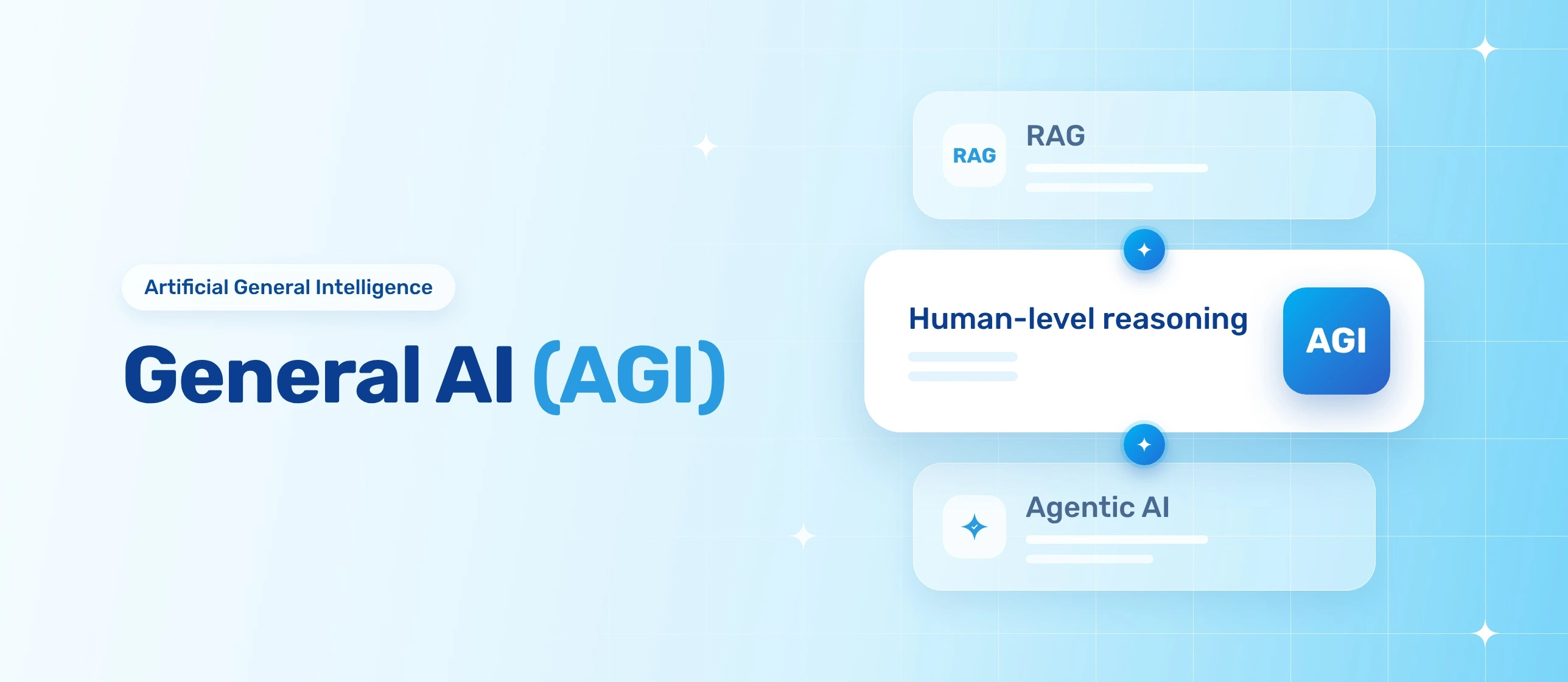
Artificial general intelligence -or AGI- is a theoretical form of AI capable of learning, reasoning, and adapting across any intellectual task at human level or beyond, without task-specific programming. According to IBM’s definition of AGI, it would require full cognitive capabilities: understanding context, drawing independent conclusions, and acting autonomously in unfamiliar environments.
In contrast, every AI system in use today -including the most advanced large language models- is narrow: exceptional within its trained domain, unable to generalize beyond it. A customer service bot that handles banking queries with 95% accuracy will fail completely if asked to resolve a supply chain issue it was never trained on. That gap is what separates today’s AI from AGI.
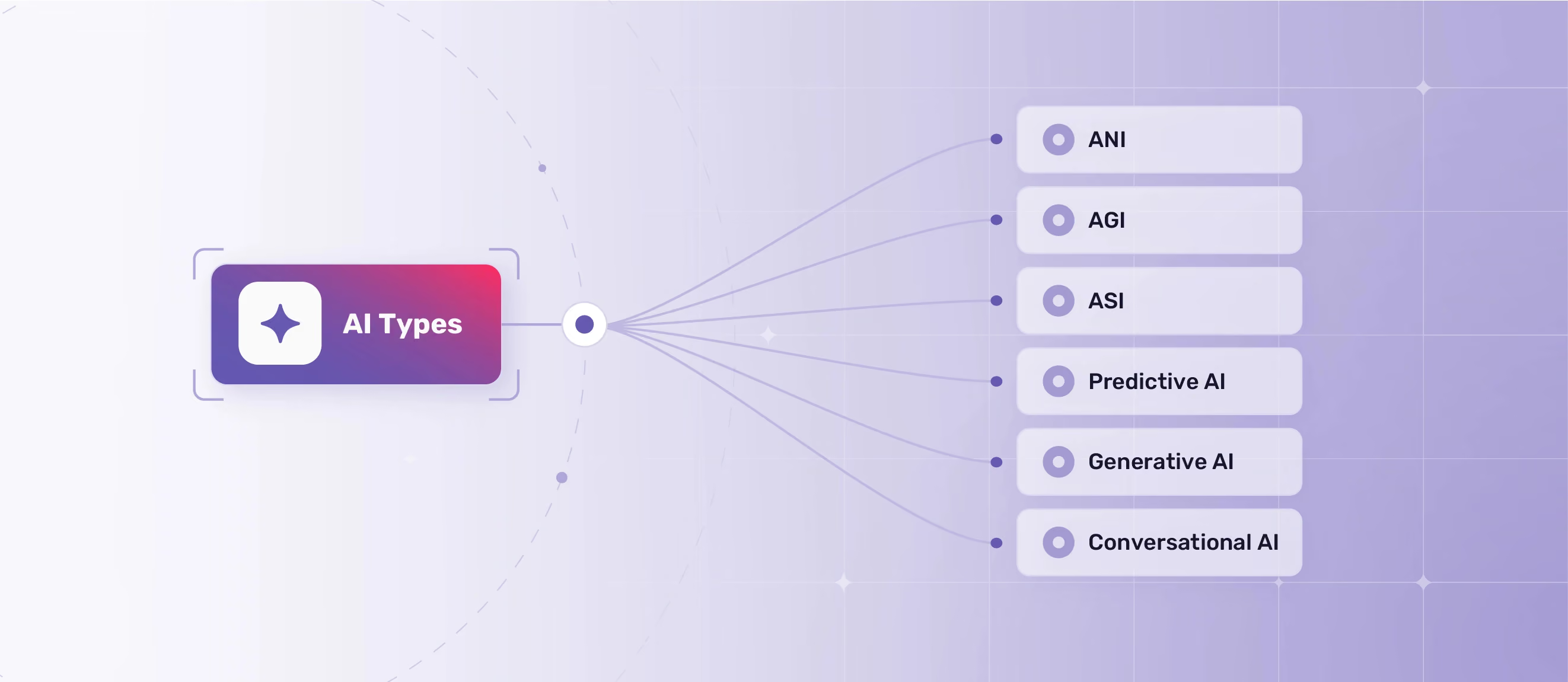
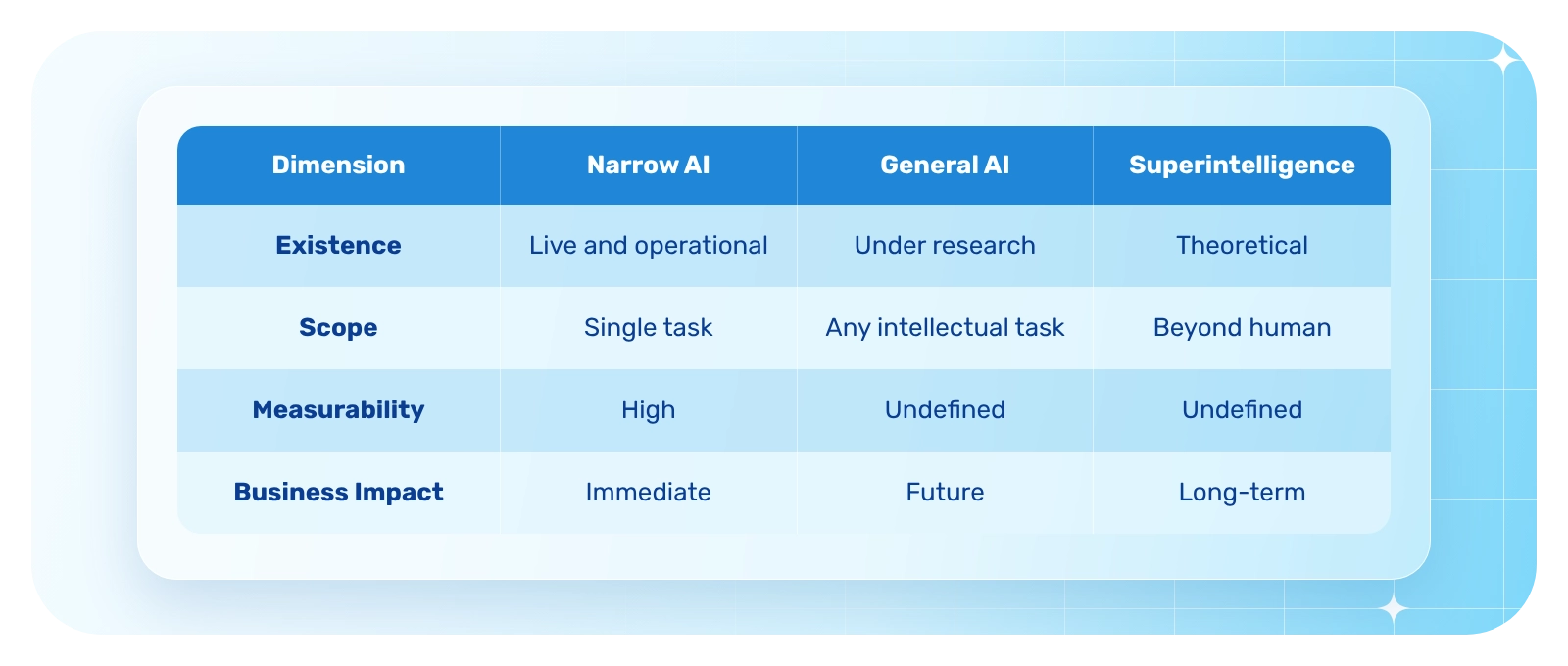
Three Types, Three Levels: Narrow AI, General AI, and Superintelligence
Understanding the types of AI is not academic; it is the starting point for any sound technology investment decision. The AGI vs narrow AI distinction in particular is what separates organizations that invest wisely from those chasing hype.
Narrow AI - Today’s Reality
Narrow AI is what powers organizations today. In the insurance sector, for example, major companies use AI systems to classify claims and detect fraud with accuracy exceeding 90%; yet that same system cannot write a pricing proposal. Powerful within its scope, limited outside it.
General AI -The Theoretical Goal
AGI is what OpenAI, DeepMind, and Anthropic are working toward; but it has not been achieved yet. Current systems, including the most advanced large language models, approximate some aspects of general reasoning but lack true understanding.
Super AI - Beyond Human Capability
Super AI describes systems that surpass human capability across every domain simultaneously. It remains philosophical and should not factor into any operational planning today.
How Close Are We to AGI? What the Numbers and Big Players Actually Say
The honest answer: not there yet; but closer than five years ago.
Large language models like GPT-4, Claude, and Gemini show impressive human-level reasoning in writing code, legal analysis, and creative tasks. In contrast, they still lack the autonomous initiative AGI requires; they respond, but do not initiate.
OpenAI’s latest models show broader reasoning capabilities, while DeepMind is building deep learning systems that handle problems outside their training data. The gap remains wide, and no agreed benchmark for measuring AGI progress exists.
Why AGI Matters to Your Organization
Understanding AGI shapes three practical areas right now:
- Right investment: Organizations that delayed AI projects waiting for AGI lost years of operational efficiency achievable today with specialized systems.
- Expectation management: Teams that believe current AI “understands” face deployment failures. Clear limits improve every implementation decision.
- Infrastructure readiness: Clean data, integrated systems, and trained teams built today will position your organization to absorb AGI capabilities when they emerge.
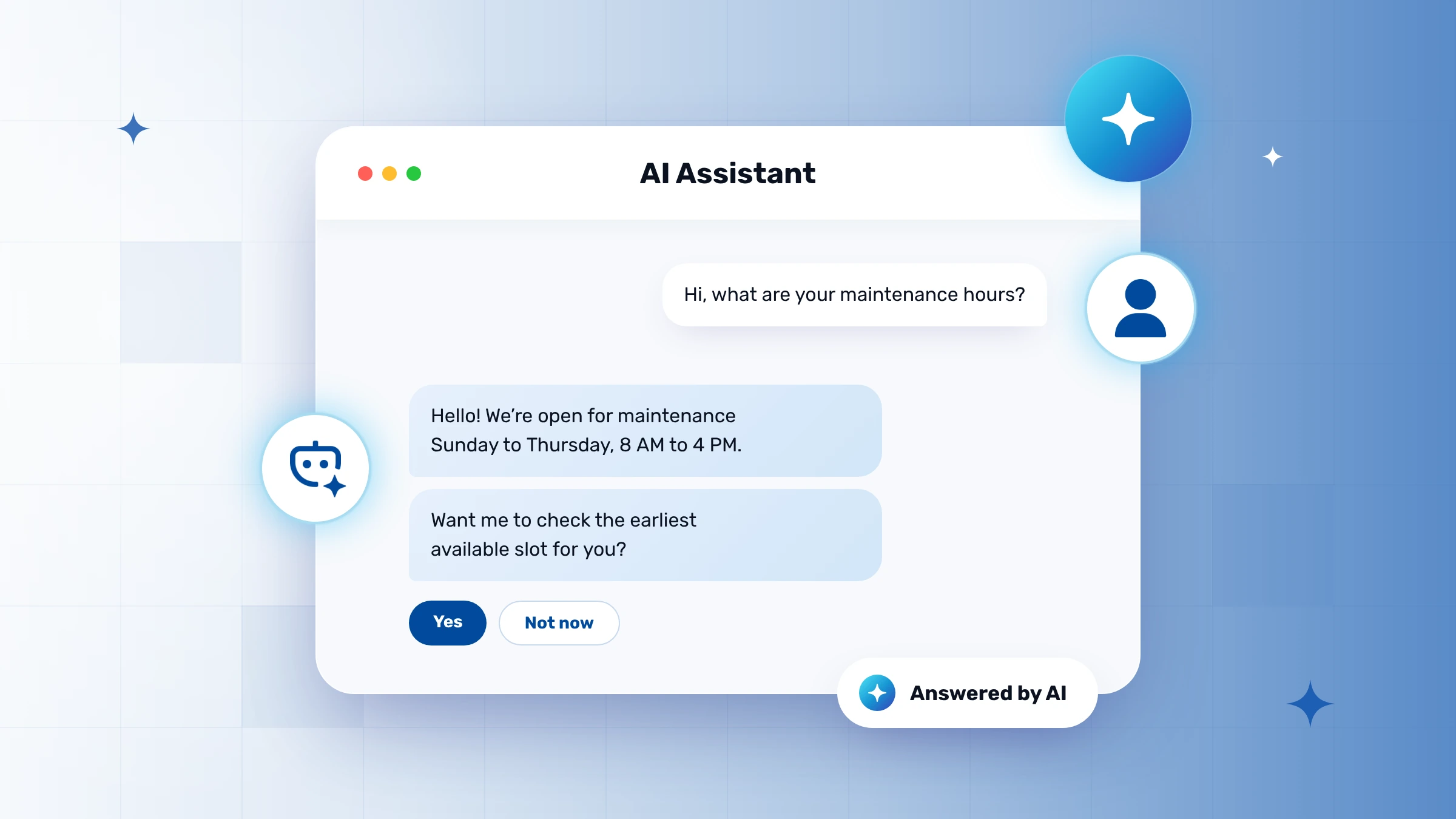
Wondering where a chatbot fits in this picture?
What Your Organization Actually Needs Right Now: A Practical Starting Point
The operational value is available today. Here is how to start:
- Pick one high-friction process and automate it. A telecom company cut query handling time by 60% by deploying a specialized agent for billing inquiries alone.
- Ground your AI in your own data using enterprise RAG solutions, so responses are accurate, not hallucinated.
- Add agentic AI for multi-step workflows like scheduling, follow-ups, and routing; without human intervention at each step.
For Arabic-speaking markets, this also means systems built on deep learning with real Arabic data. The difference between a system that translates into Arabic and one that thinks in Arabic is a tangible operational gap.
Connect with WideBot’s experts and discover how to build an AI infrastructure ready for tomorrow’s demands.
Conclusion
AGI is not a myth; but it is not reality yet. The future of AI will not be built by waiting for it. Organizations that invest in what exists today, build their infrastructure with intention, and understand the real boundaries of current systems are the ones that will lead when the landscape shifts. The opportunity is not tomorrow, it is in the decision you make today.
FAQs About General AI
What is general AI and how does it differ from today’s AI systems?
General AI is a theoretical form of artificial intelligence capable of learning, reasoning, and adapting across any intellectual task without task-specific programming, at a level matching or exceeding human ability. What we use today -from language models to customer service systems- belongs to narrow AI, which excels within specific domains but cannot generalize beyond them.
Have we actually reached general AI yet?
Not yet, by any precise definition. Current models like GPT-4 and Claude demonstrate broad capabilities but lack the true understanding and autonomous initiative that AGI requires. Most AI researchers expect AGI to emerge somewhere between one decade and several decades from now, with significant disagreement on timelines.
What is the difference between general AI and superintelligence?
General AI aims to match human cognitive capabilities across all domains. Superintelligence describes systems that surpass human ability in everything simultaneously. Neither has been achieved, but AGI is the closer milestone and the one driving serious technical research today.
How does the concept of AGI affect enterprise decisions right now?
It affects three areas: allocating investment between what is available versus what is theoretical, managing internal team expectations, and building infrastructure that can absorb new AI capabilities as they emerge. Organizations that wait for AGI before acting are giving up real operational value available through today’s specialized AI systems.
Is agentic AI the next step toward general AI?
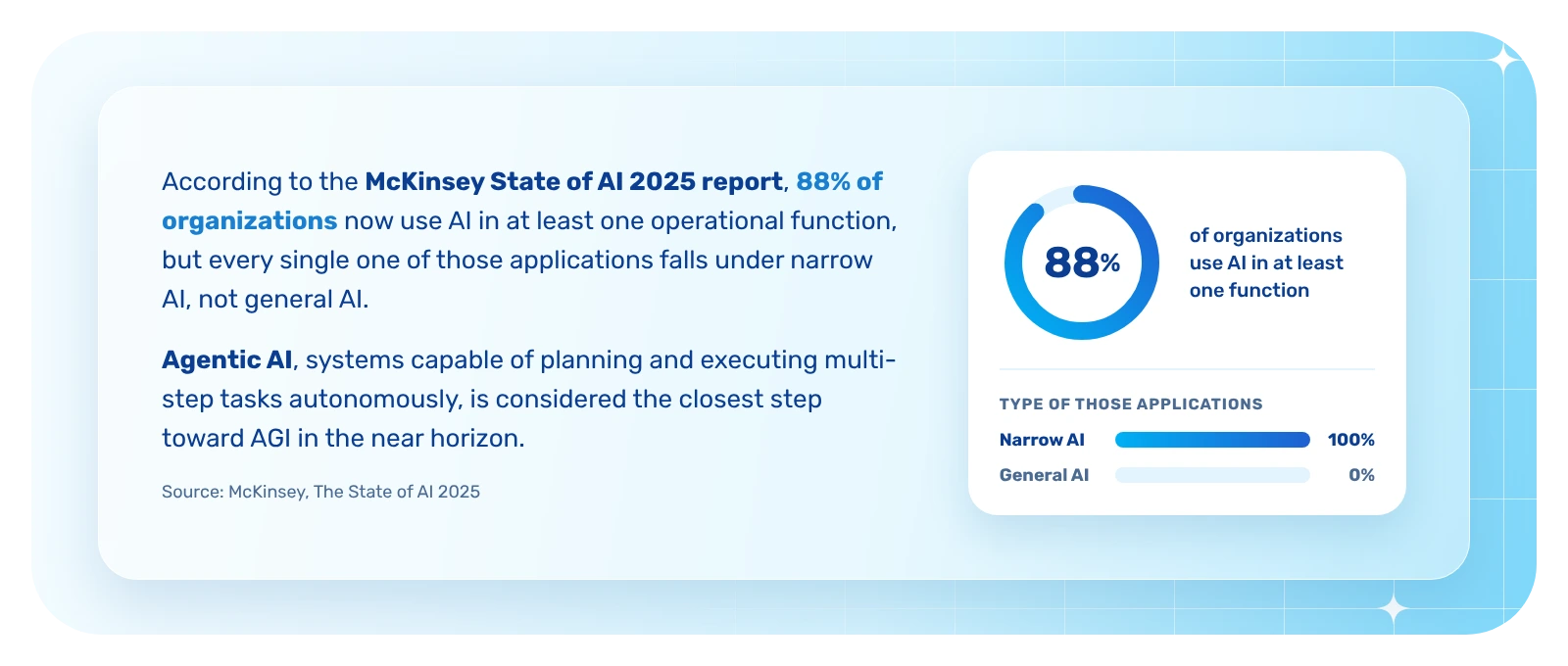
Agentic AI -which plans and executes multi-step tasks with autonomy- is widely considered the closest practical step toward AGI in the near term. According to Gartner, 25% of enterprises will adopt agentic AI by 2028. WideBot offers agentic AI solutions designed for Arabic-first enterprise environments; explore them by booking a meeting with our team.