Your organization is investing in AI tools, yet the results don’t match the spend? You’re not alone. The problem is rarely the technology; it is usually where it gets applied. That is why understanding the real uses of AI matters before any purchase decision.
This guide walks through the leading uses of AI in customer service, marketing, healthcare, and education, with practical examples of AI use, real AI applications, and clear steps to get started with confidence.
What Are the Uses of AI in Enterprises?
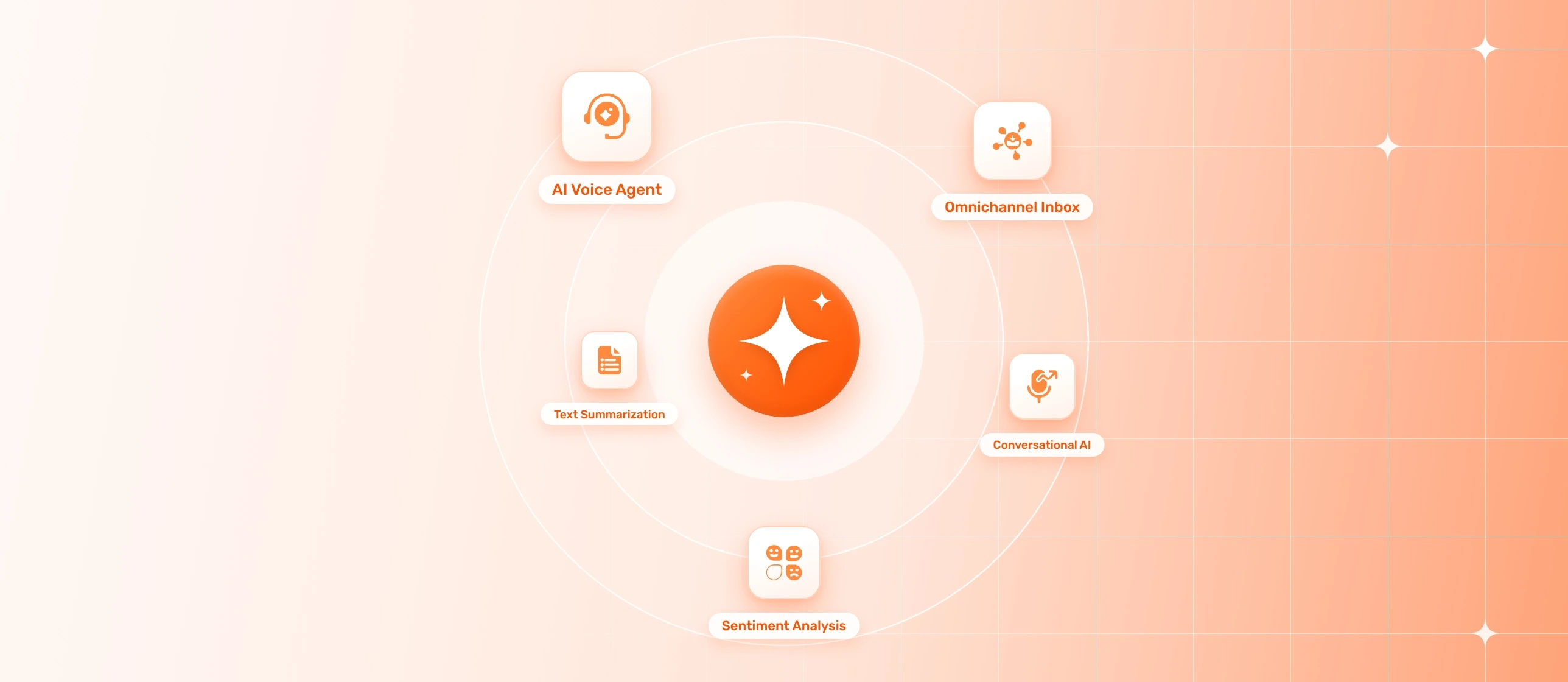
The uses of AI in enterprises include automating customer service, personalizing marketing campaigns, analyzing data to support decisions, and streamlining internal operations. They rely on systems that learn from data and understand language, which saves time and cost, improves accuracy, and frees teams for strategic work.
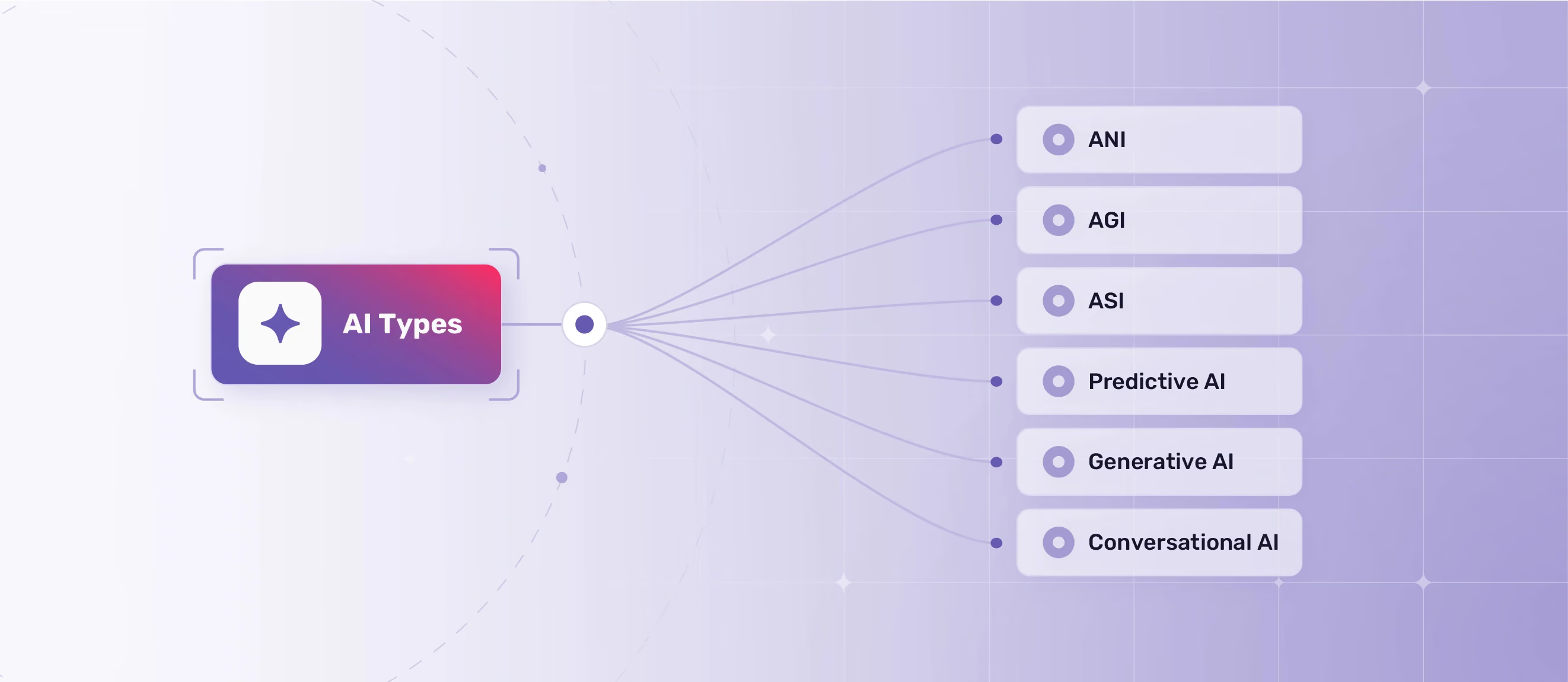
Three core technologies sit behind these uses. Machine learning learns from historical data to predict outcomes. Natural language processing lets systems understand customer messages in Arabic and its dialects. Generative AI produces replies and content that fit the context.
Their real value lies in process automation. Instead of spending hours answering the same questions, teams hand repetitive work to the system and focus on decisions that need human judgment. For general background, see the definition of artificial intelligence.
AI Applications in Customer Service and Marketing
This is where the biggest returns from AI in business appear: demand is repetitive, data is available, and results are measurable.
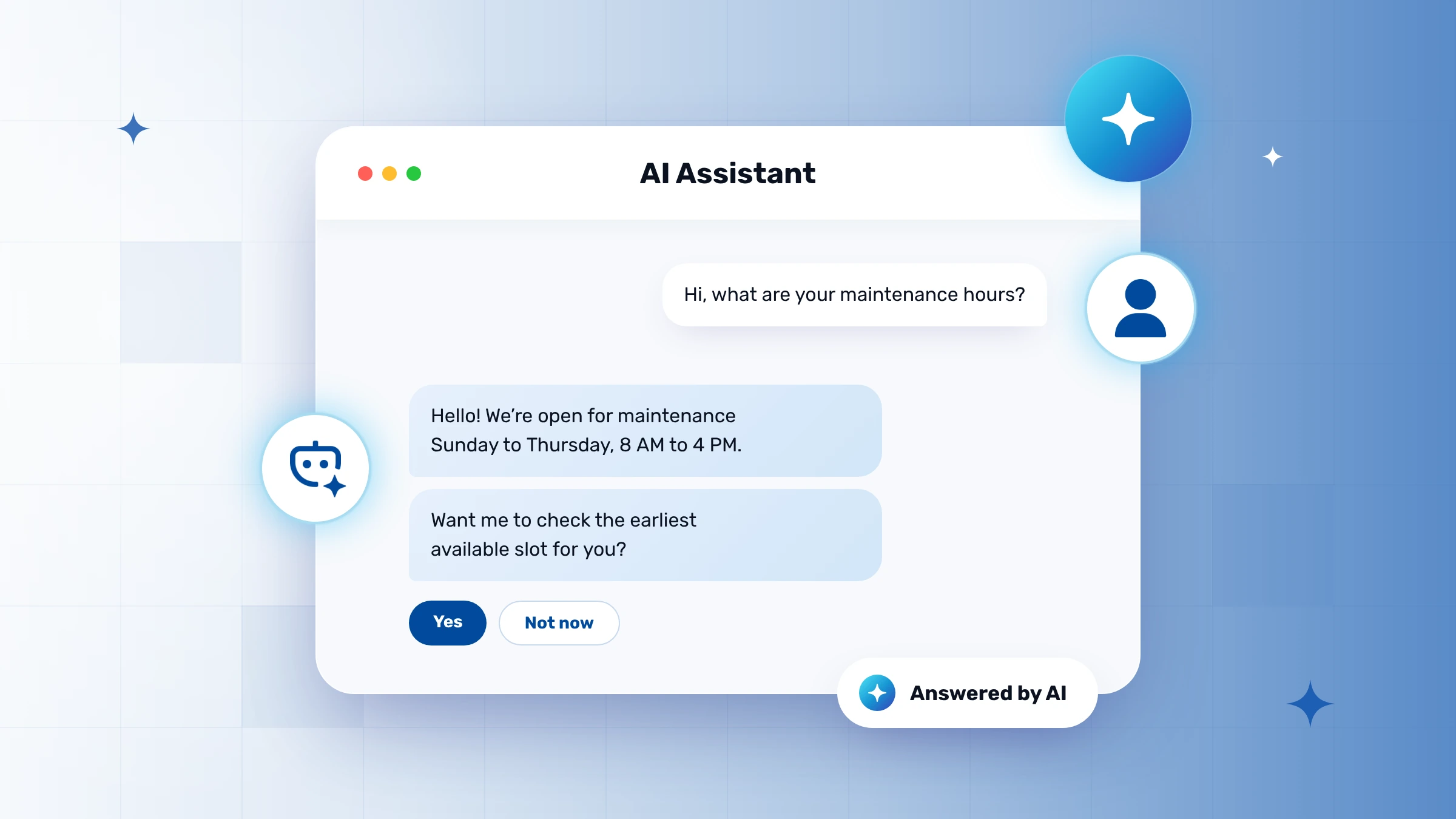
- Customer service: AI solutions for customer service understand a request and complete it across WhatsApp and the website, around the clock, and hand sensitive cases to an agent with the full conversation.
- Marketing: AI solutions for marketing segment audiences, personalize messages, and qualify leads automatically.
- Data analysis: Scattered reports become clear indicators that show which channel brings real customers and which campaign drains the budget.
- Content production: Generative AI speeds up drafts and ad copy in several languages, with an editor reviewing before publishing.
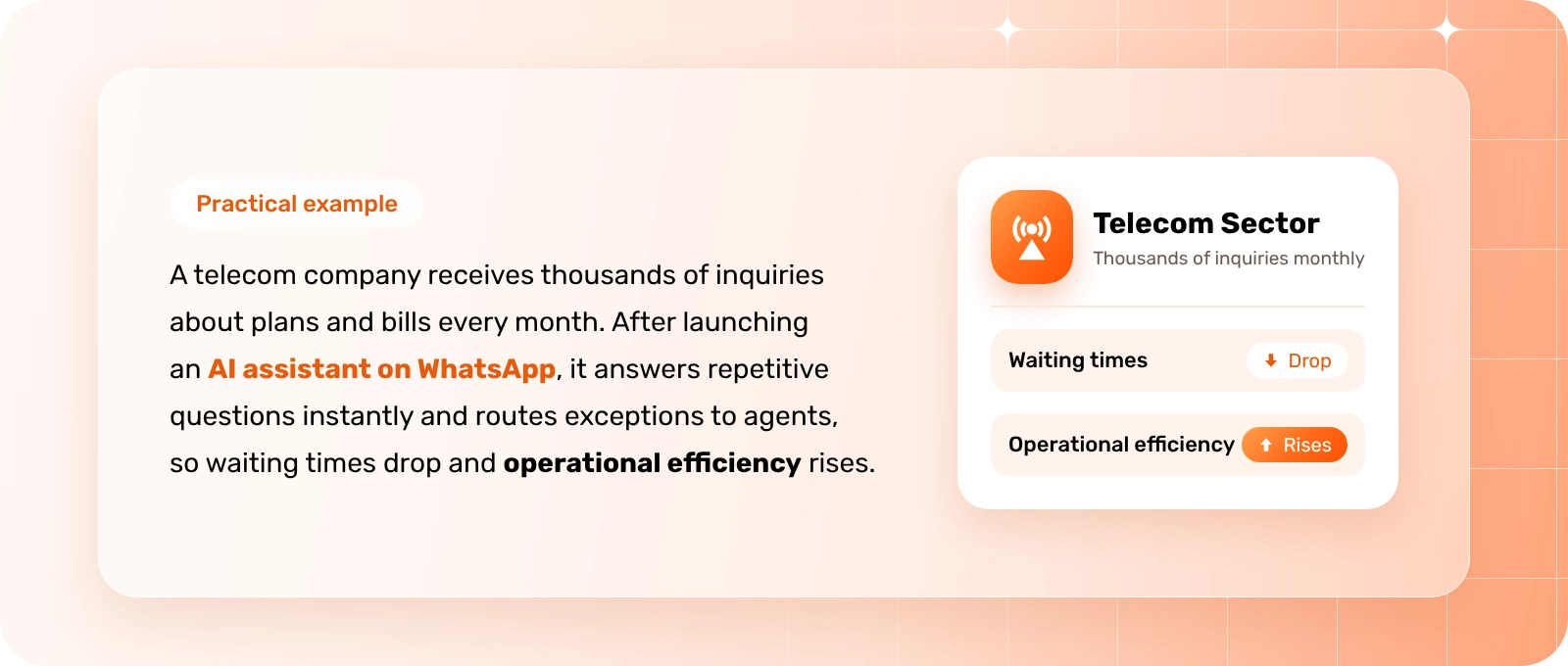
Practical example: A telecom company receives thousands of inquiries about plans and bills every month. After launching an AI assistant on WhatsApp, it answers repetitive questions instantly and routes exceptions to agents, so waiting times drop and operational efficiency rises.
Ready to see this on your own use case?
Examples of AI Use in Healthcare and Education
These applications extend beyond the back office into sensitive sectors:
- Healthcare: AI solutions for healthcare let patients book, change, and get reminders for appointments on WhatsApp, which cuts missed appointments while protecting data privacy.
- Education: AI solutions for education answer student questions about schedules, fees, and registration at any hour and direct each student to the right department.
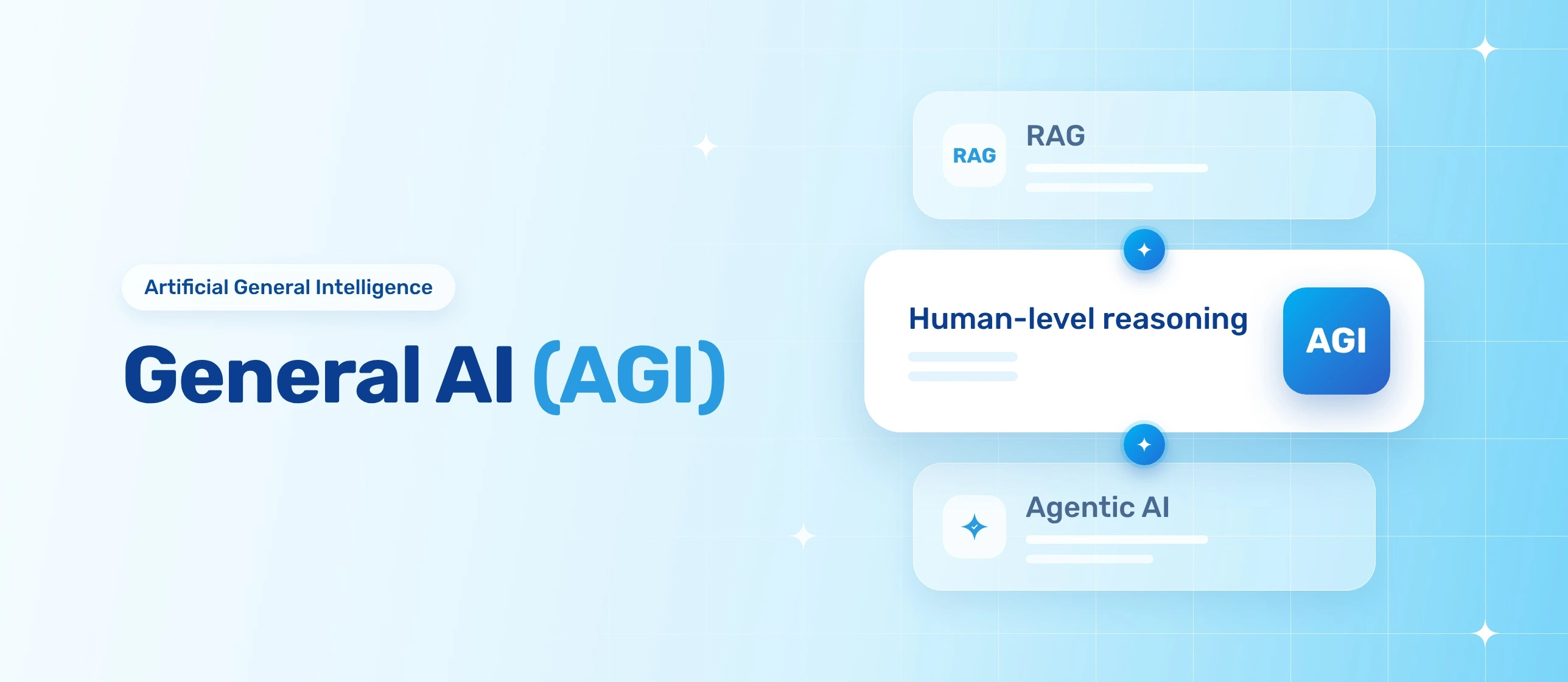
As these uses mature, organizations move from systems that answer questions to AI agents that complete the whole task: verifying the request, updating the system, and confirming to the customer with no human intervention.
How to Start Applying AI: Numbers and Selection Criteria
Numbers show that adoption alone is not enough.
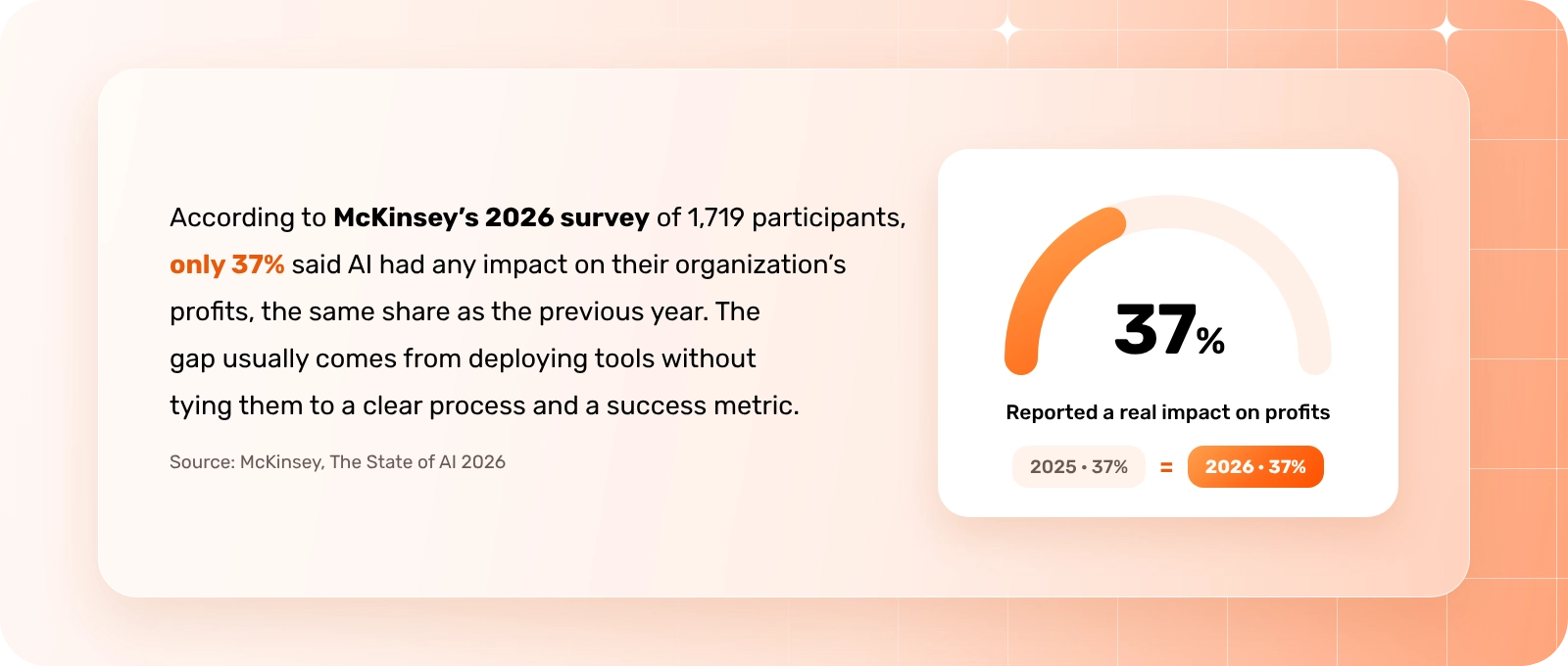
According to McKinsey’s 2026 survey of 1,719 participants, only 37% said AI had any impact on their organization’s profits, the same share as the previous year. The gap usually comes from deploying tools without tying them to a clear process and a success metric.
When choosing solutions, apply these criteria:
- Measurable return: Pick a use case tied to a clear number, such as response time or booking rate.
- Data readiness: A model performs only as well as the knowledge behind it.
- Arabic and dialect support: Essential for any solution serving regional customers.
- Integration and security: Connect the solution to your systems and protect customer data under local regulations.
Ready to turn the uses of AI into results and numbers?
Practical Steps to Start Applying AI
To start without complexity, follow these steps:
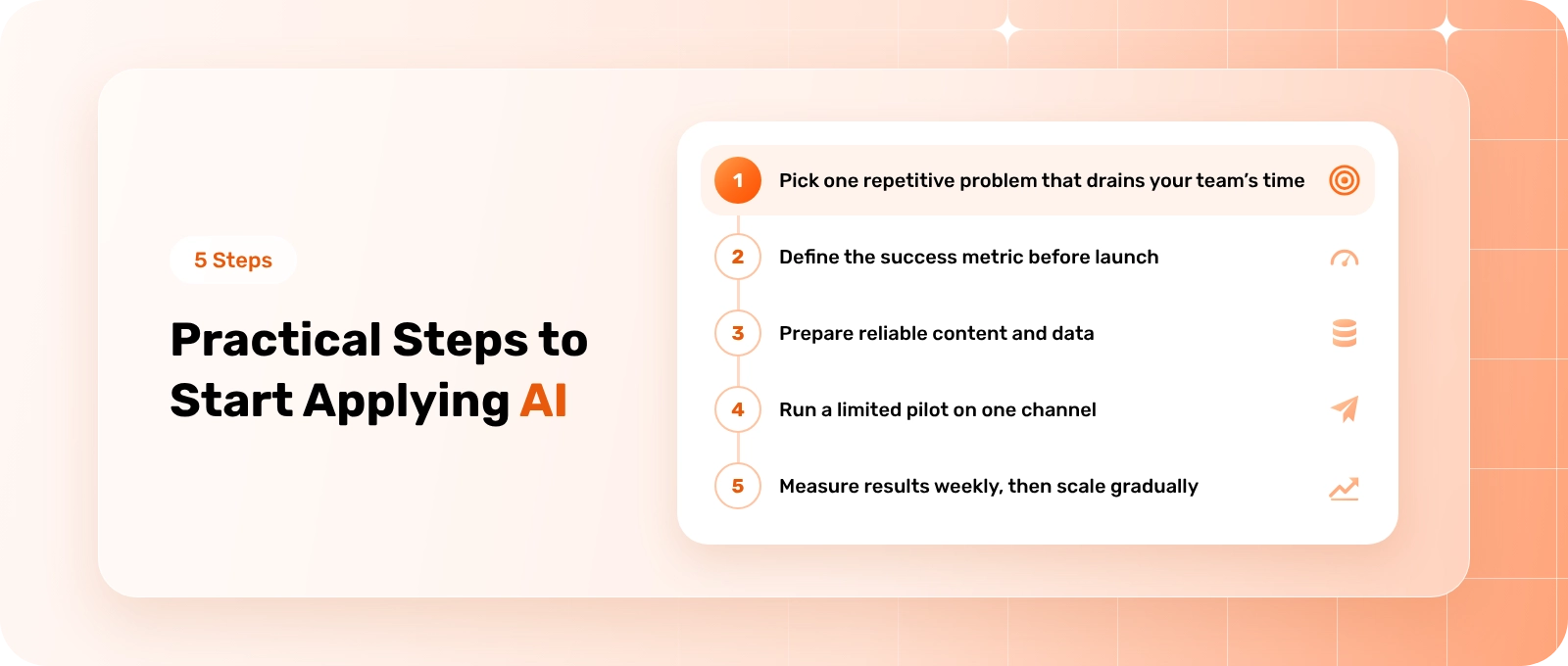
- Pick one repetitive problem that drains your team’s time.
- Define the success metric before launch.
- Prepare reliable content and data.
- Run a limited pilot on one channel.
- Measure results weekly, then scale gradually.
For example, an organization starts by automating repetitive inquiries only and measures resolution rate and satisfaction weekly. Once results stabilize, it adds appointment booking, then connects the solution to its CRM. That is how adoption grows step by step without major risk.
So knowing the uses of AI is not enough; what matters is knowing which one serves your goal right now.
Conclusion: From Pilot to Impact
In short, the uses of AI span customer service, marketing, healthcare, and education, but success comes from starting with a clear problem, measuring its impact, and scaling gradually, not from piling up tools.
If you are looking for a partner to build this journey in Arabic and to enterprise standards.
Ready to implement AI in your organization?
FAQs About the Uses of AI
What are the most common uses of AI in business today?
The most common uses of AI in business are customer service automation, lead qualification, demand forecasting, document processing, and content drafting. Most organizations start where requests are repetitive and measurable, because those cases show a return fastest and build internal confidence for wider adoption.
Which industries benefit most from AI?
Industries with high interaction volumes benefit first, including telecom, banking, healthcare, education, and retail. Any sector that handles repeated requests across WhatsApp, web chat, or calls can reduce waiting time and cost while keeping the quality of the experience consistent.
How long does it take to see results from an AI project?
A focused pilot on one channel and one problem can show early results within weeks, provided the success metric is defined up front. Wider rollouts take longer because they depend on data quality, system integration, and team adoption.
Does AI replace human employees?
No. AI takes over repetitive, rules-based work, while people handle exceptions, sensitive cases, and decisions that need judgment. The best results come when the system hands over to an employee with the full conversation context
How do I know which AI use case to start with?
Start with the process that consumes the most team time and has a number you can track, such as response time or booking rate. If you would like a second opinion on where to begin, book a meeting with the WideBot team and we will help you prioritize.